Sustainability And Art World

Art and creativity can help with achieving a sustainable future. It can lead to innovations and designs that can be useful in adopting the circular economy model. Moreover, art can inspire our society to move away from the usual make-use-dispose concept while still adding beauty and joy to everyone’s life.

As someone who appreciates art and wants to remain conscious and save the planet, the most crucial issue is how to create art without creating any negative impact on the environment. Some of the current art practices and materials are toxic and harmful to the planet and our health. Therefore making the right decision is essential when selecting the materials, surfaces and paints for any project. Reusing canvases and materials and recycling everyday items to create artwork is cost-effective and can create social awareness for all while at the same time benefiting the environment. Sustainable practices also add uniqueness to artwork and make the whole process even more creative. Therefore, sustainable art projects can provide a potential solution, and art can be used as a medium to address ecological and social issues.

Types of sustainable art can vary depending upon the idea and materials used in creating it. We know that art and design institutions play an essential role in raising awareness of sustainable practices and adopting sustainable materials. However, self-taught artists, including myself, may feel lost and want to learn and explore more on this subject. 

Types of Sustainable Art

For a better understanding of this subject, I am highlighting various forms of sustainable art mentioned by the invaluable.

It can help a lot in choosing the materials for your next artwork and making it more sustainable.

Ecological Art

Ecological art focuses on restoration and advocating on ethics, social injustice and civic responsibilities. It is a more functional form of art that raises awareness on social or political issues related to the natural and urban environment. It focuses on addressing and fixing those issues. 

Art and Upcycling

Creating a piece of art by reusing previously considered unwanted trash, and prolonging its usefulness, is known as upcycling. Using materials that will otherwise go to landfills and creating something unique can reduce the amount of waste and address the issue of increasing plastic trash polluting both the ocean and land. Upcycling is steadily growing and gaining more attention by artists, who are always looking for different materials to create something new and distinctive.

Renewable Energy Art

Renewable energy art is a new genre that incorporates renewable energy into the design or utilises renewable energy like solar panels, wind, and other geothermal resources to operate kinetic aspects of the sculpture. Renewable energy art makes renewable energy sources a more familiar subject in a very creative way. 

An excellent example of this type of art is the ‘Solar Art Panel’ initiative, which invited artists from all over the world to paint on solar panels to raise funds for the Little Sun Foundation. 

Renewable energy sculptures connect the viewers to the earth’s natural resources and how natural resources can harness the energy and create something beautiful.

Land Art

Land art is another medium that emphasises the beauty of nature and is also known as island art or eco-art, earth art and earthworks. In land art, the earth itself is sculpted to create structures in the landscape using natural materials such as stones, twigs or salt crystals. This art is created directly in the landscape. 

Closed-Loop Fashion

Closed-loop fashion creates a piece of clothing that can be broken down after its life cycle and transformed into recycled fibre, yarn or fabric. These recycled materials are made available to manufacturing industries, thus making clothing and fashion more sustainable and environmentally friendly.

As our society is becoming more aware of the urgency to move to a circular economy and adopt sustainable practices, the popularity of sustainable artworks is also growing.

We can use sustainable art to create a bridge that can connect both science and design to create better and innovative solutions to achieve a more sustainable future for everyone.
Sustainable Future Of Coffee Sector

Coffee is one of the most popular beverages, with its demand continuing to rise globally. USDA estimated that total production of coffee will reach 175.8 million bags by December 2020/21.

It takes around 4 to 7 years for a coffee tree to produce its first harvest, which bears fruits for 25 years. Currently, more than 50 countries around the world produce coffee, creating jobs for many.

Coffee grows only in the latitudes between the Tropic of Capricorn and the Tropic of Cancer. This area provides the perfect environment required for producing coffee beans and is referred to as the “bean belt”.

However, it is expected that by 2050, 50% of the land suitable for producing Arabica coffee beans will be unproductive because of climate change, deforestation and other factors like pests and fungal pathogens. 

Currently, coffee farming provides livelihood to around 60 million people across the world therefore, finding a sustainable solution is the need of the hour. 

The critical sustainability issues that the coffee sector is facing right now are:

• working conditions of coffee producing farmers,

• wages earned by the farmers, and

• climate change.

While more efforts are made towards achieving a more sustainable coffee sector by international certifying bodies, a lot more is still needed to be done. While many consumers are ready to pay more for coffee, farmers receive only a tiny fraction of it. Also, climate change is affecting the harvest, making this crisis worse for both coffee producers and farmers. And while we enjoy our cup of coffee for a few dollars, the farmers hardly earn a few cents on each cup. Low prices and changing climate is pushing many of these farmers and producers below the poverty line.

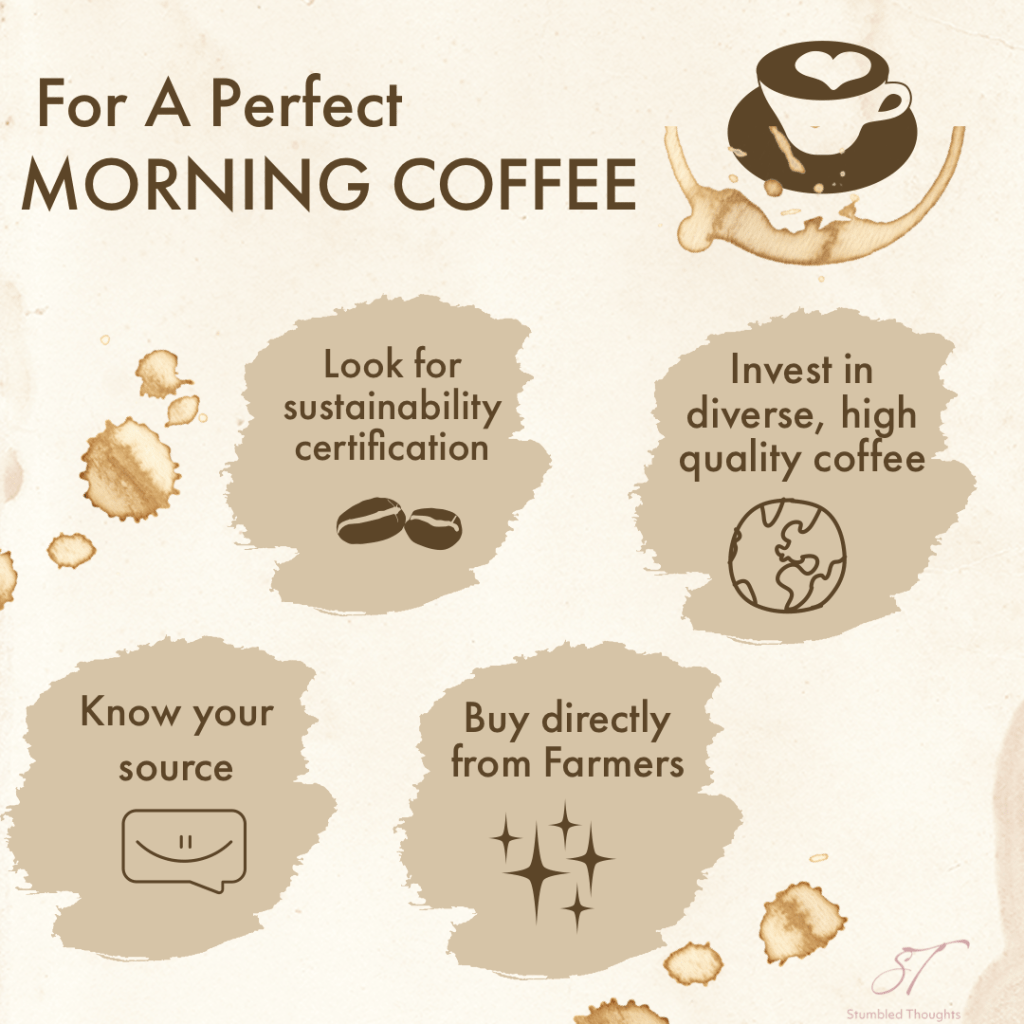
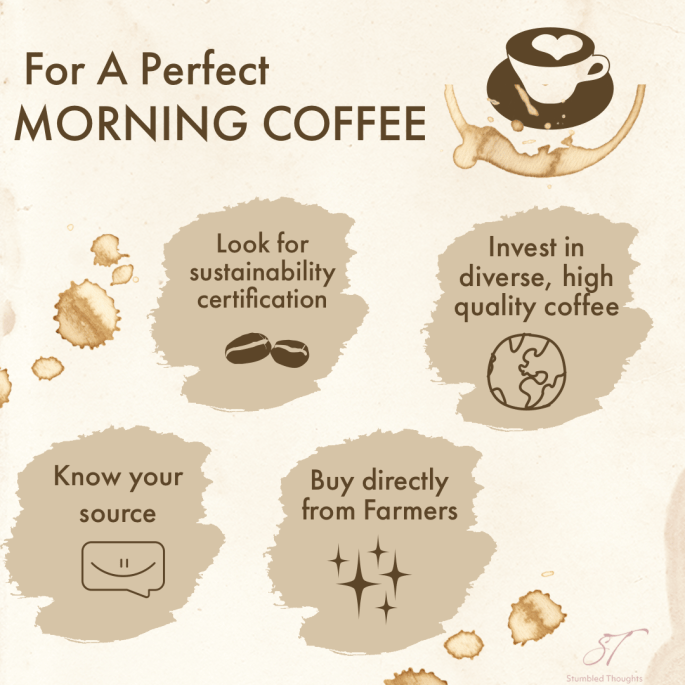
Some efforts we, as end consumers, can make to achieve a sustainable future for coffee:

  • Buying coffee with international sustainability certification
  • Research about the brand before buying speciality coffee. What the company is doing to ensure the well being of its suppliers and farmers or how the brand is addressing social, economic and environmental factors, determines how sustainable their coffee is.
  • Purchase the high quality and diverse coffee to promote demand for these high-quality coffee grown by women and smaller farmers.

Emerging Technologies For Sustainable Coffee Sector

Direct Sale to Consumers 

With the help of the internet and online marketplaces, selling directly to consumers can help small producers to promote their brands more easily. It decreases the cost and provides these brands with a narrative of who they are and why consumers should buy from them. Having a story will help these small brands to stand out in a highly competitive online market. Therefore, apart from online marketing, offline sources of marketing, logistics etc., also need to be made more accessible for these small producers to promote and sell their coffee without having to shell out too much money on marketing while still reaching out to consumers. 

Using Blockchain Technology

What is Blockchain?

Blockchain is a system of recording information that makes it very difficult to change or hack the system for anyone. The data is collected together in a group of blocks.

This set of information creates a digital ledger of transactions which is then duplicated and distributed across the entire network of computer systems on the blockchain. 

Sustainable Coffee and Blockchain

Using blockchain, we can simplify tracking information, transactions and payments by creating a permanent and digital chain of transactions that cannot be altered. Every individual or group of individuals involved in the chain can easily access information. Any data added in the blockchain is shared in the blockchain network depending on their level of permission. This will make it easier for effective interaction between farmers, producers, wholesalers, retailers and anyone involved in the supply chain. Companies like Farmer Connect and VeChain are already creating a reliable blockchain ecosystem for small businesses and farmers.

Knowing where our favourite morning cup of coffee is coming from, who is growing them and how it affects the planet can help us ensure a sustainable future for everyone involved in the coffee sector, including the end consumers.