November rain poured for hours Hiding the city as it pelted down The water gushed down the streets As clouds swarmed the sky hiding the sun
The noisy, bustling city came to a halt Staying in seem to be the best idea Rain poured down on the flowers and trees And they knelt down, smitten by the thunderstorm
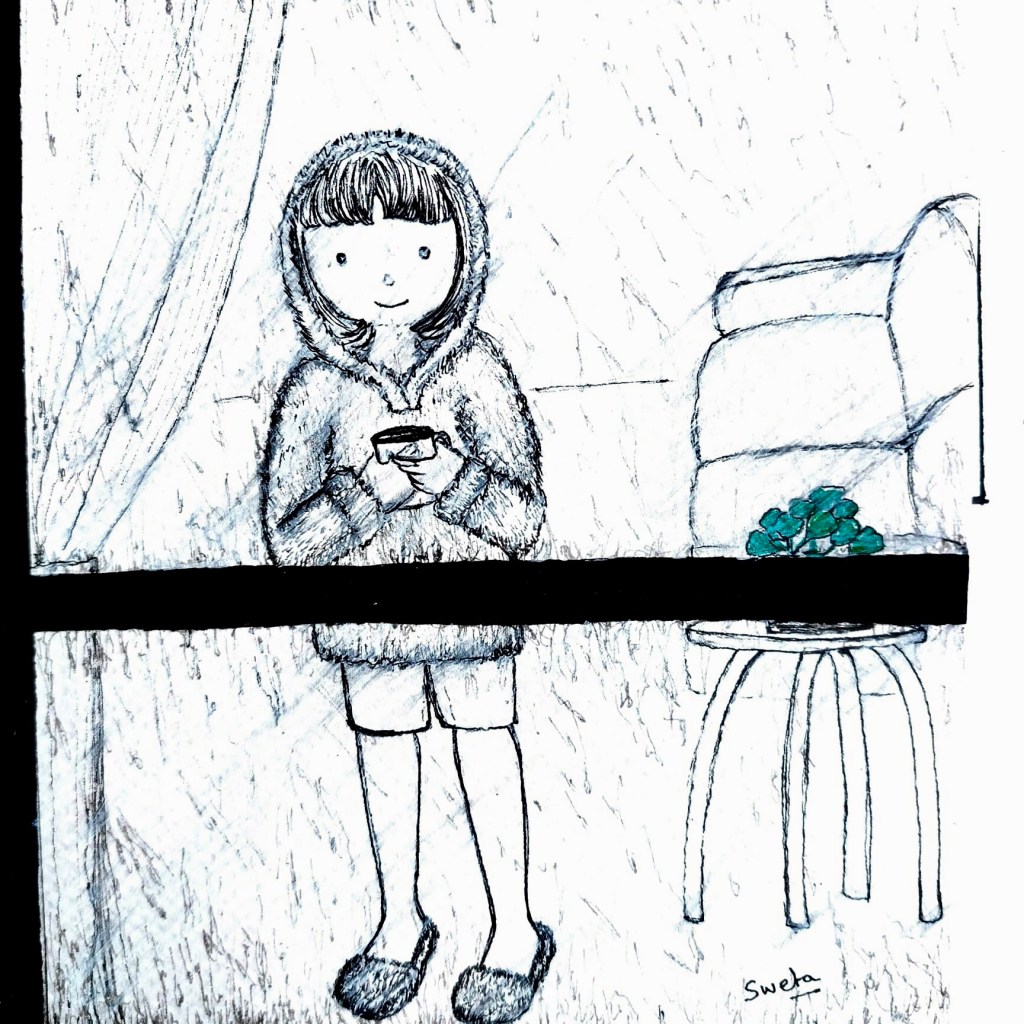
The raindrops slid over the window. Clinging to the warmth of my coffee cup, I watched. As the November rain poured all day Bringing everything to a calming halt.
Coffee is one of the most popular beverages, with its demand continuing to rise globally. USDA estimated that total production of coffee will reach 175.8 million bags by December 2020/21.
It takes around 4 to 7 years for a coffee tree to produce its first harvest, which bears fruits for 25 years. Currently, more than 50 countries around the world produce coffee, creating jobs for many.
However, it is expected that by 2050, 50% of the land suitable for producing Arabica coffee beans will be unproductive because of climate change, deforestation and other factors like pests and fungal pathogens.
Currently, coffee farming provides livelihood to around 60 million people across the world therefore, finding a sustainable solution is the need of the hour.
The critical sustainability issues that the coffee sector is facing right now are:
• working conditions of coffee producing farmers,
• wages earned by the farmers, and
• climate change.
While more efforts are made towards achieving a more sustainable coffee sector by international certifying bodies, a lot more is still needed to be done. While many consumers are ready to pay more for coffee, farmers receive only a tiny fraction of it. Also, climate change is affecting the harvest, making this crisis worse for both coffee producers and farmers. And while we enjoy our cup of coffee for a few dollars, the farmers hardly earn a few cents on each cup. Low prices and changing climate is pushing many of these farmers and producers below the poverty line.
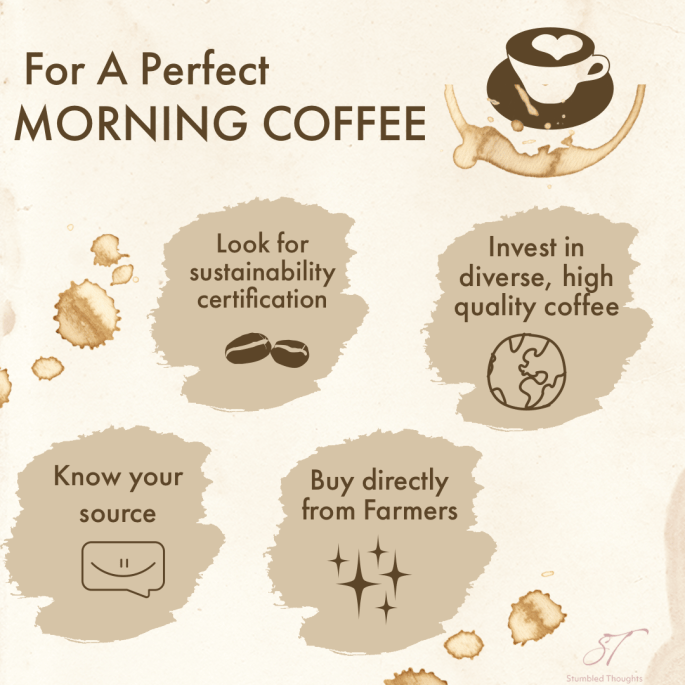
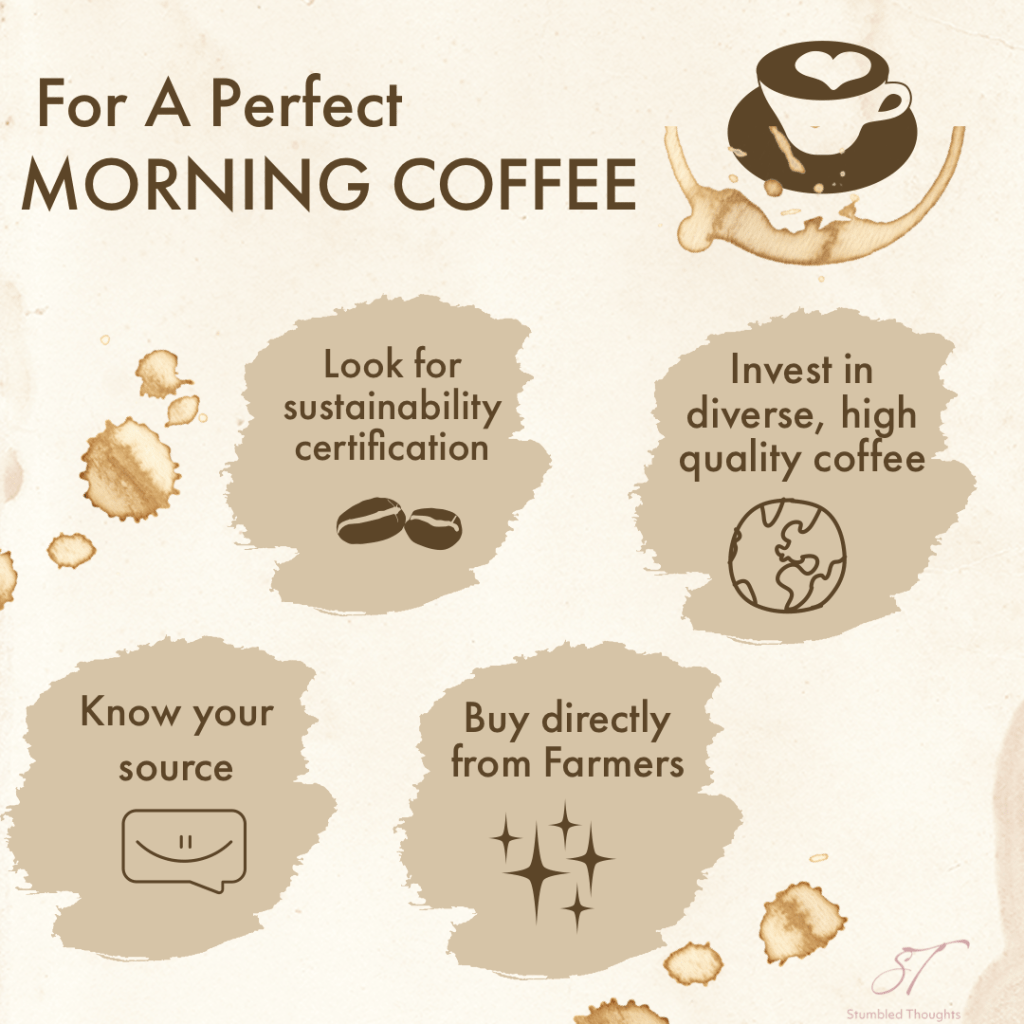
Some efforts we, as end consumers, can make to achieve a sustainable future for coffee:
Buying coffee with international sustainability certification
Research about the brand before buying speciality coffee. What the company is doing to ensure the well being of its suppliers and farmers or how the brand is addressing social, economic and environmental factors, determines how sustainable their coffee is.
Purchase the high quality and diverse coffee to promote demand for these high-quality coffee grown by women and smaller farmers.
Emerging Technologies For Sustainable Coffee Sector
Direct Sale to Consumers
With the help of the internet and online marketplaces, selling directly to consumers can help small producers to promote their brands more easily. It decreases the cost and provides these brands with a narrative of who they are and why consumers should buy from them. Having a story will help these small brands to stand out in a highly competitive online market. Therefore, apart from online marketing, offline sources of marketing, logistics etc., also need to be made more accessible for these small producers to promote and sell their coffee without having to shell out too much money on marketing while still reaching out to consumers.
Using Blockchain Technology
What is Blockchain?
Blockchain is a system of recording information that makes it very difficult to change or hack the system for anyone. The data is collected together in a group of blocks.
This set of information creates a digital ledger of transactions which is then duplicated and distributed across the entire network of computer systems on the blockchain.
Sustainable Coffee and Blockchain
Using blockchain, we can simplify tracking information, transactions and payments by creating a permanent and digital chain of transactions that cannot be altered. Every individual or group of individuals involved in the chain can easily access information. Any data added in the blockchain is shared in the blockchain network depending on their level of permission. This will make it easier for effective interaction between farmers, producers, wholesalers, retailers and anyone involved in the supply chain. Companies like Farmer Connect and VeChain are already creating a reliable blockchain ecosystem for small businesses and farmers.
Knowing where our favourite morning cup of coffee is coming from, who is growing them and how it affects the planet can help us ensure a sustainable future for everyone involved in the coffee sector, including the end consumers.


 Stumbled Thoughts