There will come a time when you will rise, A moment when tears will no longer cloud your skies. But until then, my dearest, burn— In agony, in fear, in pain, in despair. Burn! Burn! Burn!
Stay silent, step away, Avoid the paths that lead you astray. Shield yourself if you must, From the chaos that shatters your faith.
And quietly, Rise! Rise! Rise! And slowly, Fly! Fly! Fly!
I know the faces And remember certain places, Some stories that were told, And treasures that were found.
I recall words spoken—sometimes— The emotions that were felt, The paths I walked, The road I travelled.
I remember voices and sounds, The smells and the touch. The times I was lost, And the times I was found, The times I was broken, And the times I was mended.
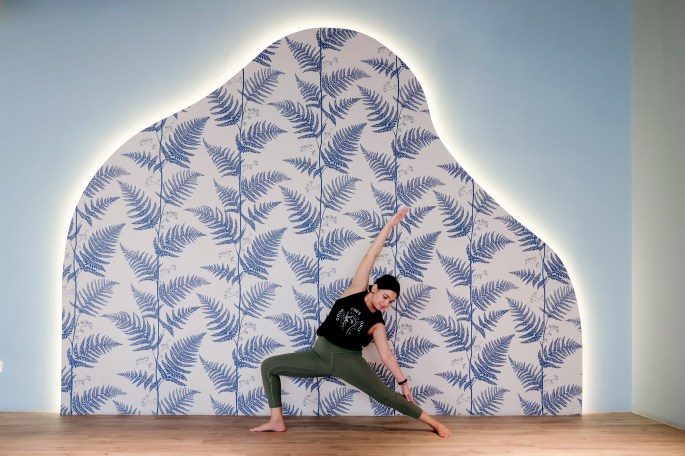
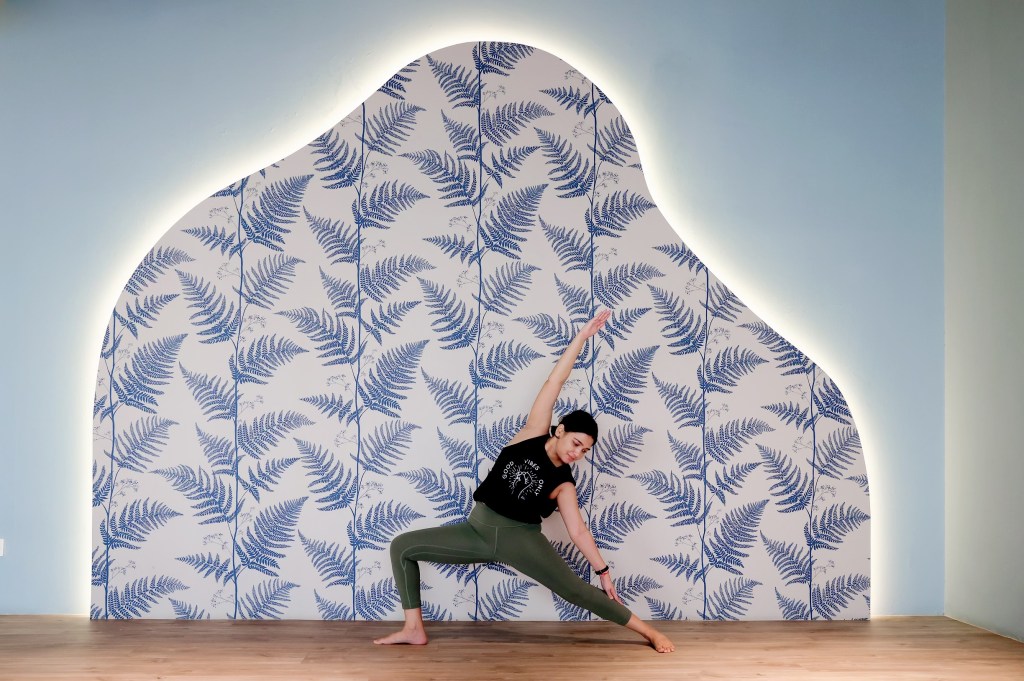
Reverse Warrior is a popular yoga posture that is part of the Hatha yoga practice. This pose is also known as Viparita Virabhadrasana or simply Reverse Warrior. It is a standing pose that involves stretching the body and building strength in the legs, hips, and torso. The pose is a variation of Warrior II pose and is typically practiced in conjunction with other standing poses.
Getting In To The Pose
To get in to the Reverse Warrior pose, begin with Warrior II pose first. This involves standing with feet wide apart, turn the right foot outwards, and bend the right knee in a 90 degree angle, with knee right above the ankle. The left foot should be pivoted slightly inward and the left foot is parallel to the back of your yoga mat. Align the right heel with the arch of the left foot. The arms are extended out to the sides, with the right arm pointing forward and the left arm pointing backwards like a capital T shape. Draw your abdomen in and inhale and as you exhale extend the right arm up towards the ceiling, and gently place the left arm down on the left thigh, creating a gentle stretch along the left side of the body. Slowly come out of the posture back to warrior II and repeat on the other side this time left foot will be facing front of the mat with left knee bent to a 90 degree angle and right foot parallel to the back of the mat.
The posture requires balance and strength, particularly in the legs, shoulders and hips. It is an excellent posture to tone and strengthen these areas. Reverse Warrior also provides a stretch along the entire body, particularly in the torso, arms, and legs. It helps to improve flexibility, while also encouraging proper alignment and posture.
Benefits of Reverse Warrior
The benefits of Reverse Warrior pose are numerous. While it is an excellent way to tone and strengthen the legs, hips, and core muscles, it also improving flexibility and range of motion. This pose also helps to open up the chest and shoulders, providing a gentle stretch to the upper body. It is also a great way to relieve stress and tension, as it encourages deep breathing and relaxation.
In addition to these physical benefits, Reverse Warrior pose also has a number of mental benefits. It is a great way to build mental focus and concentration, as the posture requires attention and focus in order to maintain balance and proper alignment. It also encourages mindfulness and presence, as the practitioner must remain aware of their body and breath in order to perform the pose properly.
Reverse Warrior pose is a powerful posture that offers a variety of benefits for the body and mind. It is an excellent way to build strength, flexibility, and focus, while also relieving stress and tension. Whether practiced on its own or as part of a larger Hatha yoga practice, Reverse Warrior is a pose that can be enjoyed by practitioners of all levels and abilities.
This pose helps to stay centred and grounded. Take a moment in this powerful posture, to breathe in and find your inner calm.
When practicing yoga always remember to be gentle and kind with yourself, honour your practice and listen to your body. Namaste!
Art and creativity can help with achieving a sustainable future. It can lead to innovations and designs that can be useful in adopting the circular economy model. Moreover, art can inspire our society to move away from the usual make-use-dispose concept while still adding beauty and joy to everyone’s life.
As someone who appreciates art and wants to remain conscious and save the planet, the most crucial issue is how to create art without creating any negative impact on the environment. Some of the current art practices and materials are toxic and harmful to the planet and our health. Therefore making the right decision is essential when selecting the materials, surfaces and paints for any project. Reusing canvases and materials and recycling everyday items to create artwork is cost-effective and can create social awareness for all while at the same time benefiting the environment. Sustainable practices also add uniqueness to artwork and make the whole process even more creative. Therefore, sustainable art projects can provide a potential solution, and art can be used as a medium to address ecological and social issues.
Types of sustainable art can vary depending upon the idea and materials used in creating it. We know that art and design institutions play an essential role in raising awareness of sustainable practices and adopting sustainable materials. However, self-taught artists, including myself, may feel lost and want to learn and explore more on this subject.
Types of Sustainable Art
For a better understanding of this subject, I am highlighting various forms of sustainable art mentioned by the invaluable.
It can help a lot in choosing the materials for your next artwork and making it more sustainable.
Ecological Art
Ecological art focuses on restoration and advocating on ethics, social injustice and civic responsibilities. It is a more functional form of art that raises awareness on social or political issues related to the natural and urban environment. It focuses on addressing and fixing those issues.
Art and Upcycling
Creating a piece of art by reusing previously considered unwanted trash, and prolonging its usefulness, is known as upcycling. Using materials that will otherwise go to landfills and creating something unique can reduce the amount of waste and address the issue of increasing plastic trash polluting both the ocean and land. Upcycling is steadily growing and gaining more attention by artists, who are always looking for different materials to create something new and distinctive.
Renewable Energy Art
Renewable energy art is a new genre that incorporates renewable energy into the design or utilises renewable energy like solar panels, wind, and other geothermal resources to operate kinetic aspects of the sculpture. Renewable energy art makes renewable energy sources a more familiar subject in a very creative way.
An excellent example of this type of art is the ‘Solar Art Panel’ initiative, which invited artists from all over the world to paint on solar panels to raise funds for the Little Sun Foundation.
Renewable energy sculptures connect the viewers to the earth’s natural resources and how natural resources can harness the energy and create something beautiful.
Land Art
Land art is another medium that emphasises the beauty of nature and is also known as island art or eco-art, earth art and earthworks. In land art, the earth itself is sculpted to create structures in the landscape using natural materials such as stones, twigs or salt crystals. This art is created directly in the landscape.
Closed-Loop Fashion
Closed-loop fashion creates a piece of clothing that can be broken down after its life cycle and transformed into recycled fibre, yarn or fabric. These recycled materials are made available to manufacturing industries, thus making clothing and fashion more sustainable and environmentally friendly.
As our society is becoming more aware of the urgency to move to a circular economy and adopt sustainable practices, the popularity of sustainable artworks is also growing.
We can use sustainable art to create a bridge that can connect both science and design to create better and innovative solutions to achieve a more sustainable future for everyone.
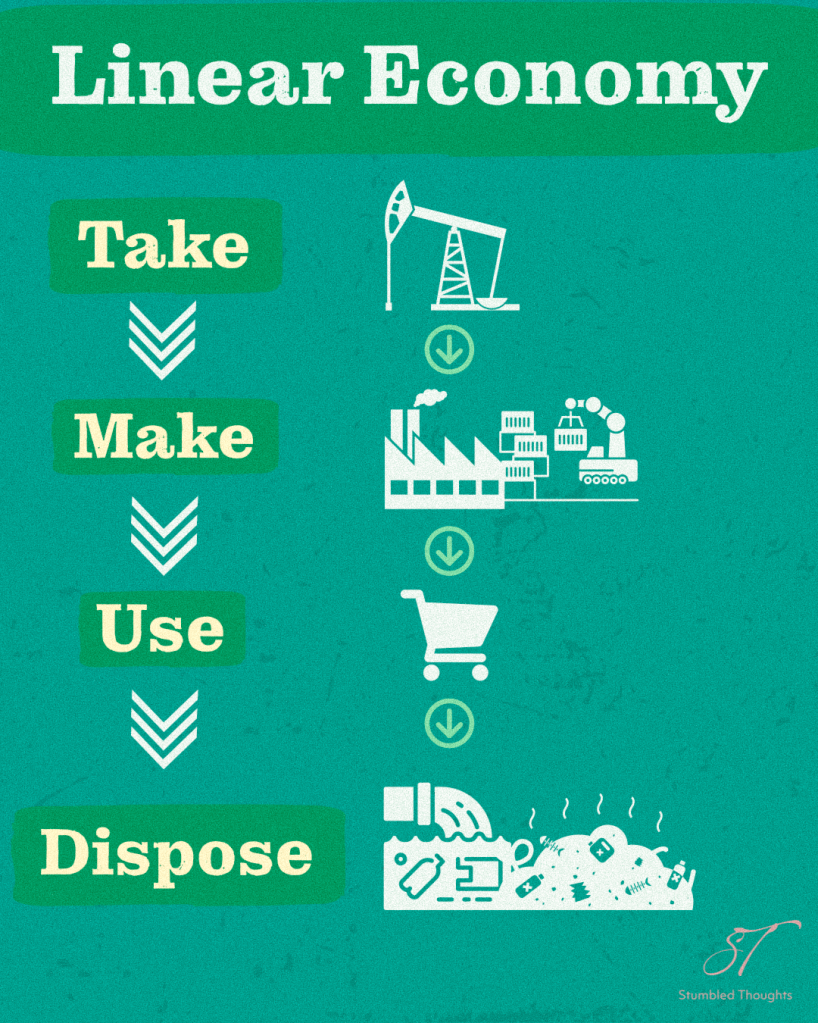
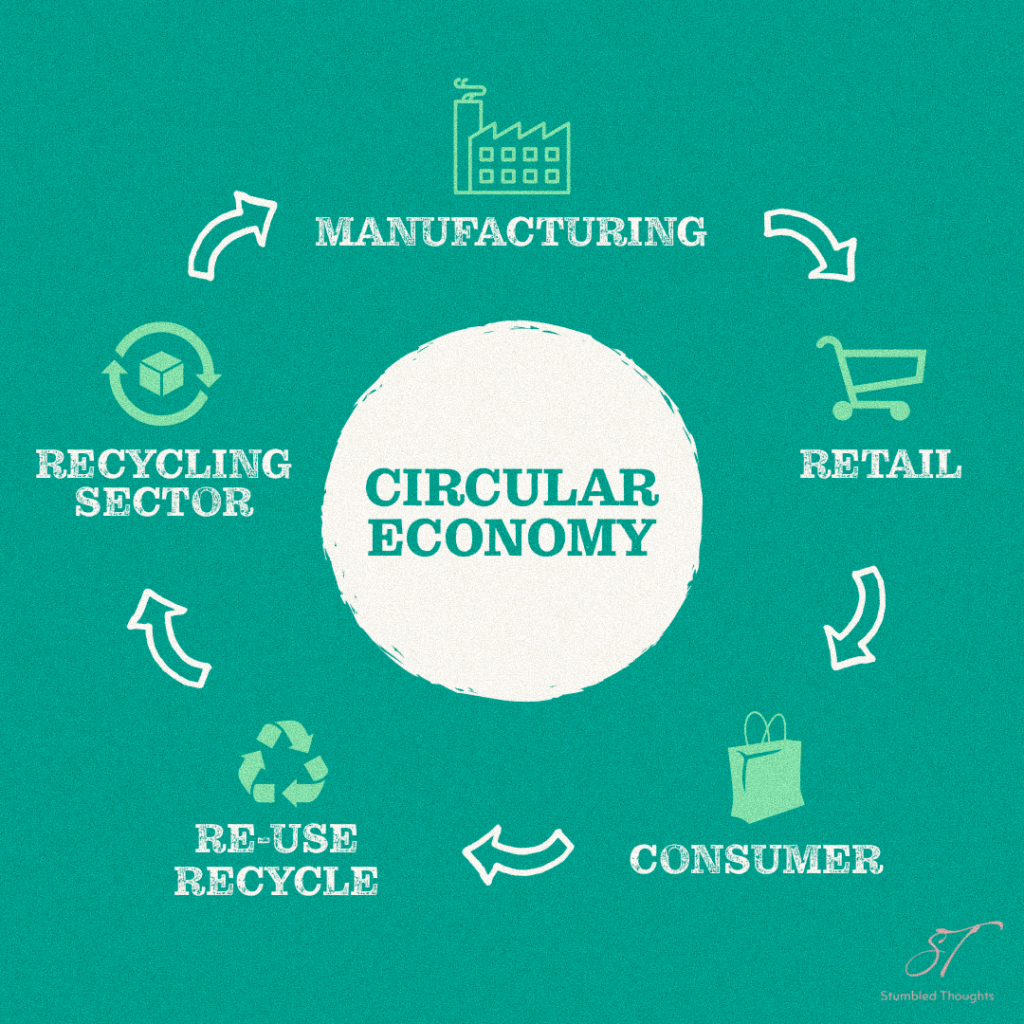
Since the industrial revolution, we have been using the linear economy model where we “take-make-use-dispose”. In other words, a linear economy takes raw natural resources, transforms them into products and then these products are disposed of after just a few uses.
This system has been creating billions of tonnes of waste across the world. However, a lot of this waste can be easily reused, shared, repaired or recycled. That’s what the idea of a circular economy entails.
The circular economy is a concept of production and consumption which involves sharing, reusing, recycling and repairing. This model intends to make products last longer by extending their life for as long as possible, reducing the waste to a minimum.
The whole vision of the circular economy is to minimise the use of natural resources to produce and maximise recycling and reusing. The circular economy model combines old strategies like reusing, reducing and recycling with new methods like renting things instead of owning. The idea of this model is not to end growth but to change our ways and blend our development with nature.
The circular economy is based on three aspects :
Minimal Waste & Pollution
In a circular economy, waste should not exist. Products are designed for reuse and can be disassembled. A vital component of a circular economy is to treat energy and resources as valuable and finite—single or limited uses of products to be eliminated. Waste is considered a design flaw. Introducing a “re-thinking” concept will help us explore new technologies, designs, and perspectives to make products last longer through refurbishment and reuse instead of throwing them away. It also means reducing recycling and disposal, which uses both energy and labour. An excellent example of a ‘re-thinking’ design concept is Gerrard Street , a company providing subscription-based services for its headphones. Their product can easily be repaired and disassembled with around 85% of the components that can be reused.
Regenerating Natural EcoSystem
Circular economy distinguishes between technical and biological cycles. Organic based materials are used in a way that can later be used to enhance our natural resources. In a circular economy, we take the example of nature which uses everything and wastes nothing. Organic or plant-based wastes can be used as fertilisers to enhance soil nutrients or regenerate the oceans that provide our renewable resources for the economy. Companies like Connect the Dots and The Balbo group are already working on regenerative agriculture and working with farmers to improve soil health and promote biodiversity.
Renewable Energy & Resources
Renewable energy can replace fossil fuels in a circular economy. At the same time, rental services and sharing businesses will serve more people with fewer products. Using less and decreasing our dependence on resources is one of the principles of this economy. The goal is to preserve finite natural raw materials by restricting their extraction and balancing the flow of renewable resources. The more we increase the extraction of resources, the more will be the consumption of energy, which will eventually increase the production of carbon emissions. Therefore in a circular economy, more thoughtful use of these resources is aimed to minimise carbon emissions. Iberdrola, a Spanish multinational company, generates, distributes, and trades clean energy. This clean energy is generated using wind, mini-hydro, solar thermal, photovoltaic, and biomass, making Iberdrola a good example of a circular economy.
Benefits of Circular Economy
Moving towards a circular economy will positively affect our planet’s ecosystem by reducing greenhouse gas emissions and preserving our natural resources. There will be no or minimal wastage. Renewable energy and resources will reduce our dependence on raw natural resources, providing energy-efficient and non-toxic products.
Using organic waste to regenerate our ecosystem will result in healthier soil and ecosystem. It will also prevent soil degradation.
Reusing and an efficient eco-design will also help companies reduce their costs and total annual greenhouse gas emissions.
A circular economy will help in reducing pressure on our environment. It will balance our ecosystem and economy, preserve our natural resources while leading to innovations and eventually to a better quality of life.
Sustainability is becoming a popular topic lately. It is gaining more recognition now since it is becoming evident that unless we adapt to more sustainable living, we cannot preserve our resources and quality of life for our generation and future generations.
What is Sustainability?
Sustainability is an integrated approach where a balance is maintained between economic growth, social equity and the environment. The United Nations Brundtland Commission defines sustainability as “meeting the needs of the present without compromising the ability of future generations to meet their own needs.”
Today many countries are still in the stage of development. Therefore, ensuring that their needs are met and their development process does not negatively impact future generations, is essential.
In 2015 United Nations member states adopted the 2030 agenda for Sustainable Development. This ‘agenda’ provides a blueprint for achieving peace and prosperity for the people and our planet.
With each year our planet getting warmer and natural disasters becoming more common, the need for a plan of action is becoming significant. While at the same time, we also need a strategy to achieve economic growth, end poverty, improve health and education and reduce inequality.
Environment, economy and society are the three components of sustainable development. It is all about using our resources wisely and conservatively, emphasising the long term impacts of the ways we use our resources now.
The question is how we can contribute and do our part as an individual, group or company? With our world extensive and diverse, how can we adapt it to a more local or individual context?
While I was researching how we can integrate sustainability in our life, work and community, I came across the United Nations 17 goals of the United Nations Sustainable Development Agenda. These global goals focus on the aspects that need our immediate attention to achieve sustainable growth. These goals are:
Eliminate poverty
End hunger, achieve food security and improved nutrition and promote sustainable agriculture.
Health and well-being
Clean water and sanitation
Ensuring inclusive and quality education and promoting lifelong learning opportunities for all
Gender equality
Access to affordable and clean energy for everyone.
Promoting sustainable economic growth, full and productive employment and decent work for all.
Building resilient infrastructure, promoting inclusive and sustainable industrialisation and fostering innovation.
Reduce inequality within and among countries.
Sustainable cities and communities.
Responsible consumption and production.
Climate action.
Conserve and sustainably use the oceans, seas and marine resources for sustainable development.
Protect, restore and promote sustainable use of terrestrial ecosystems, sustainably manage forests, combat desertification, and halt and reverse land degradation and halt biodiversity loss.
Promote peaceful and inclusive societies for sustainable development.
Strengthen the means of implementation and revitalise the global partnership for sustainable development.
The question, however, should be, why not? Sustainability has diversity of benefits that focuses on maintaining an ecological balance and ensuring that we achieve social and economic development. We cannot keep our quality of life, the diversity of life on Earth or our ecosystems unless we embrace sustainability. We need to realise that our resources are finite, and living sustainably is not something we ‘should’ do but something we ‘must’ do to conserve and protect all lives. Every small step counts, whether making wiser purchase decisions, growing our own food or simply reducing waste by reusing and recycling.
Just remember small steps can make bigger differences!




 Stumbled Thoughts